
Get Building Tuckpointing in Asheville, NC
Building tuckpointing services help Asheville property owners repair and restore brickwork, addressing cracked or deteriorated mortar on walls, chimneys, and facades.
Building tuckpointing services are an important consideration for property owners in Asheville, NC, who want to maintain the integrity and appearance of their brickwork. Tuckpointing involves repairing and restoring mortar joints, which can become damaged or deteriorated over time due to weather exposure and age. Properly maintained mortar helps prevent water intrusion and structural issues, making it a practical step for preserving the value and safety of residential and commercial properties alike. Exploring local contractors with experience in tuckpointing can ensure that projects are completed with attention to detail and quality craftsmanship.
For those planning renovation or preservation projects, comparing options among nearby service providers can lead to better results and peace of mind. Asheville property owners often seek skilled professionals who understand the specific needs of historic and modern brick structures in the area. Continuing to read can help identify qualified local contractors capable of handling tuckpointing work, providing the expertise needed to support property maintenance and enhancement efforts.
- Historic building restoration - Tuckpointing is often needed when restoring older structures in neighborhoods like Montford or West Asheville.
- Cracked or deteriorating mortar joints - Property owners may seek tuckpointing services when mortar begins to crack or crumble around brick facades.
- Water infiltration issues - Tuckpointing can help prevent water damage in areas with frequent rain, such as downtown Asheville or surrounding communities.
- Chimney repair and maintenance - Chimneys showing signs of mortar deterioration may require tuckpointing to ensure safety and functionality.
- Brick wall or facade repair - Businesses or homeowners may need tuckpointing when brick exteriors develop visible damage or gaps.
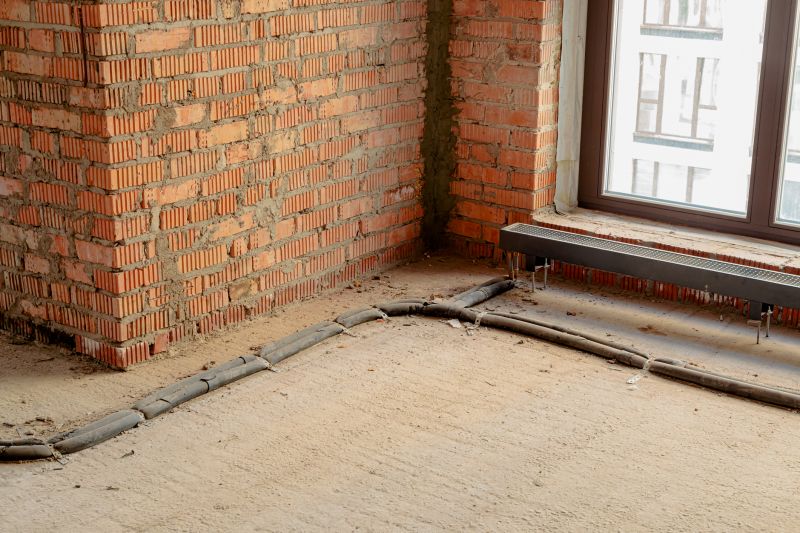
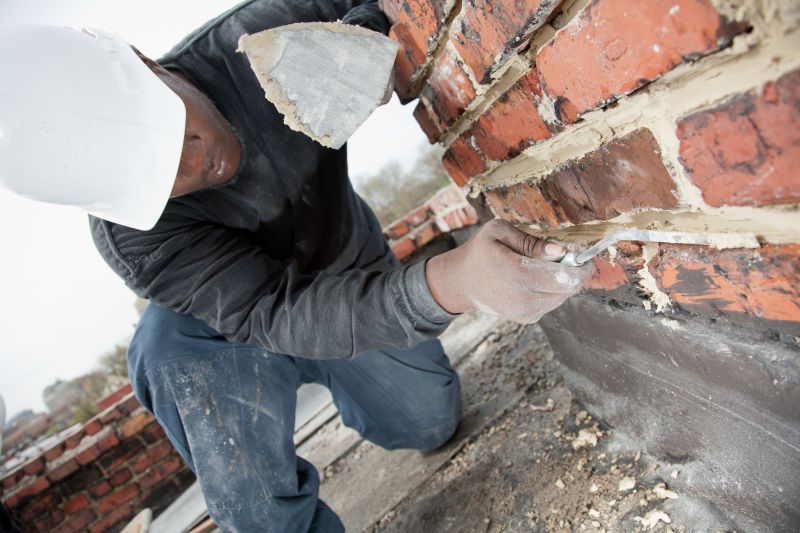
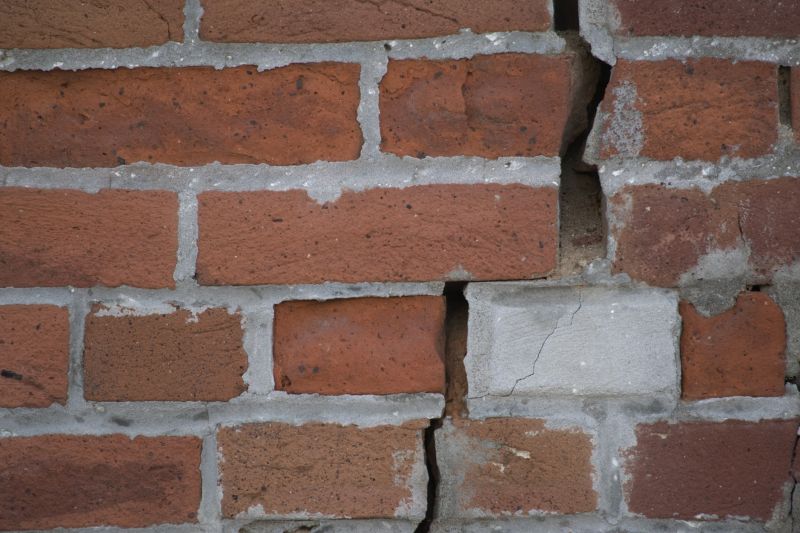
Building tuckpointing is a specialized masonry service that involves repairing and restoring the mortar joints between bricks or stones on a building’s exterior. Over time, mortar can deteriorate due to weather exposure, age, or settling, leading to gaps, cracks, and weakened structural integrity. Tuckpointing involves carefully removing damaged mortar and replacing it with fresh material, which helps maintain the appearance and stability of the masonry. This process not only improves the look of a building but also helps prevent further damage caused by water infiltration or freeze-thaw cycles.
The primary problems that tuckpointing addresses include crumbling or missing mortar, cracked joints, and water leaks that can lead to more serious structural issues. When mortar deteriorates, it can allow moisture to seep into the walls, causing damage to brickwork and potentially leading to mold or interior water stains. Tuckpointing helps seal these gaps, reducing the risk of water penetration and preserving the building’s overall strength. It is a practical solution for homeowners noticing crumbling mortar, cracks in brickwork, or signs of moisture infiltration around their property.
This service is commonly used on a variety of properties, including historic homes, commercial buildings, and residential houses with brick or stone exteriors. Older homes, especially those with original masonry work, often require tuckpointing to maintain their structural integrity and aesthetic appeal. Commercial buildings with brick facades may also need regular tuckpointing to keep their exteriors looking professional and to prevent costly repairs later on. Generally, any property with visible mortar joints showing signs of wear or damage can benefit from this service to extend its lifespan and preserve its value.
Homeowners who notice cracked or crumbling mortar, water stains, or deterioration around their brick or stone exteriors should consider consulting local contractors for tuckpointing services. This work is an effective way to restore the appearance of a building while addressing underlying issues that could lead to more extensive damage. Whether dealing with an aging property or preparing a building for sale, tuckpointing can help improve both the durability and curb appeal of a property. Connecting with experienced service providers ensures that the repair work is done properly, safeguarding the structure for years to come.
The overview below groups typical Building Tuckpointing projects into broad ranges so you can see how smaller, mid-sized, and larger jobs often compare in Asheville, NC.
In many markets, a large share of routine jobs stays in the lower and middle ranges, while only a smaller percentage of projects moves into the highest bands when the work is more complex or site conditions are harder than average.
Smaller Repairs - Typical costs for minor tuckpointing work on small sections of brick can range from $250-$600. Many routine repairs fall within this middle range, depending on the extent of the damage and accessibility.
Moderate Projects - Larger, more involved tuckpointing jobs, such as restoring multiple walls or sections of a building, usually cost between $1,000-$3,000. These projects are common for homeowners seeking to improve curb appeal or prevent further deterioration.
Full Wall Restoration - Complete tuckpointing of an entire wall or façade can range from $3,500-$7,000, with larger or more complex projects potentially exceeding this range. Fewer projects reach the highest tiers, which are often reserved for historic restorations or extensive repairs.
Full Building Repointing - For extensive building-wide tuckpointing or rebuilding, costs can surpass $10,000, especially for large commercial properties or historic structures requiring specialized work. Most local contractors can handle projects within the lower to mid-range budgets depending on scope.
Actual totals will depend on details like access to the work area, the scope of the project, and the materials selected, so use these as general starting points rather than exact figures.
Masonry Restoration - Local contractors skilled in masonry restoration can handle projects that require matching existing brickwork and repairing damaged mortar joints, similar to tuckpointing work.
Brick Repair and Replacement - This type of project involves removing and replacing damaged bricks, requiring similar planning and tools as tuckpointing to ensure a seamless finish.
Chimney Repointing - Repointing chimneys involves removing old mortar and applying new mortar, a process closely related to building tuckpointing services.
Stonework Restoration - Restoring historic stone structures involves careful mortar removal and application, utilizing skills comparable to those used in tuckpointing projects.
Facade Cleaning and Repair - Cleaning and repairing building facades often requires mortar work and surface preparation similar to tuckpointing techniques.
Structural Crack Repair - Repairing cracks in masonry walls involves mortar work and planning akin to tuckpointing, ensuring stability and aesthetic integrity.
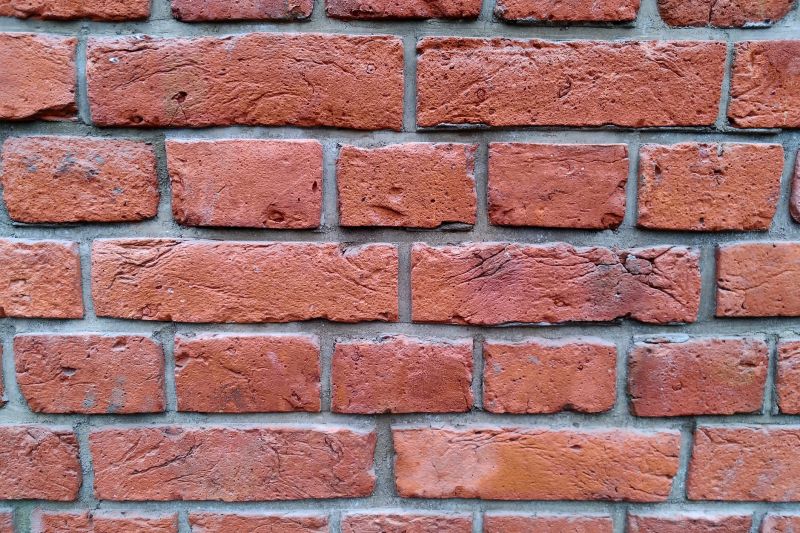
When selecting a contractor for tuckpointing services, it’s important to consider their experience with similar projects. Homeowners should inquire about how long the service providers have been working on masonry repairs and whether they have handled projects comparable in size and scope. An experienced contractor will typically have a better understanding of the specific techniques and materials needed to restore and preserve brickwork effectively, which can contribute to a successful outcome. Gathering details about past work can help gauge their familiarity with the nuances of tuckpointing and ensure that the chosen professional has a proven track record in this specialized service.
Clear, written expectations are essential to ensure that both the homeowner and the service provider are aligned on the project’s scope and deliverables. When comparing local contractors, it’s helpful to review any estimates or proposals to see if they outline the work to be performed, including the extent of brickwork, materials to be used, and the anticipated results. Having these details in writing can prevent misunderstandings and provide a reference point throughout the project. Homeowners should feel comfortable asking for clarification or additional documentation to ensure that expectations are transparent and realistic before any work begins.
Reputable references and effective communication are key factors when choosing a masonry service provider. Homeowners can ask for contact information for previous clients or look for reviews that speak to the contractor’s professionalism, reliability, and quality of work. Good communication from the outset can also indicate how well the contractor listens to concerns, provides updates, and responds to questions. Building a rapport with a service provider who demonstrates transparency and responsiveness can help foster confidence that the project will be managed smoothly and that the final results will meet expectations.
Property owners in Asheville, NC use Building Tuckpointing services for practical projects around their homes and businesses. This guide focuses on everyday jobs and straightforward project options.
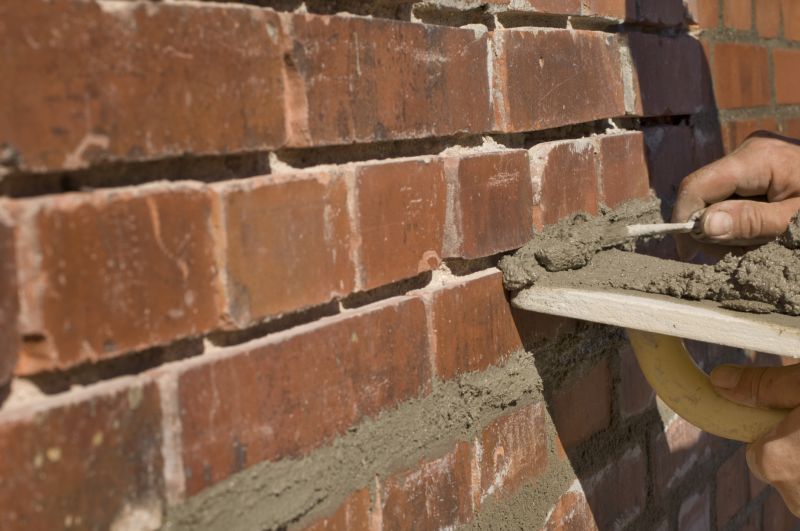
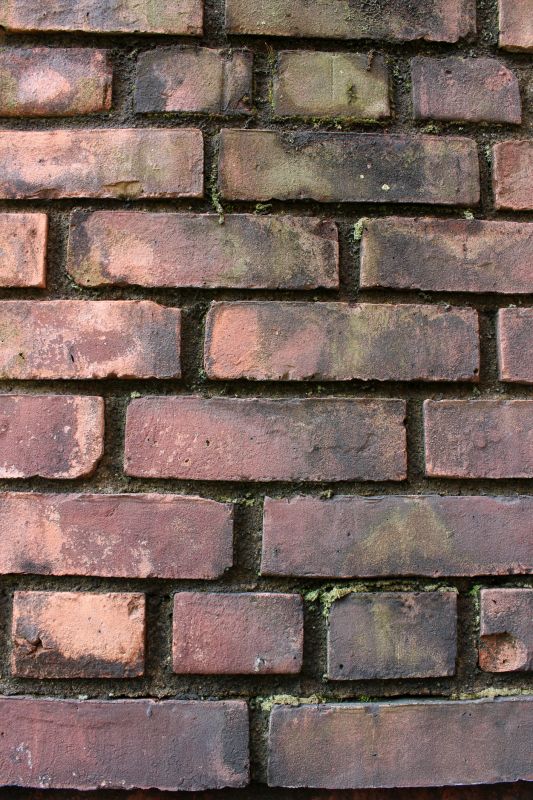
Building tuckpointing services are often sought after by property owners in Asheville, NC, who notice cracks or deterioration in their brickwork. Over time, exposure to weather conditions like rain, snow, and temperature fluctuations can cause mortar joints to weaken and crumble, leading to potential structural issues. Many property owners look for experienced contractors to restore the appearance and integrity of their brick surfaces, whether for historic homes, commercial buildings, or residential properties.
Additionally, property owners may pursue tuckpointing when they want to improve curb appeal or prevent further damage. In Asheville’s historic neighborhoods, maintaining the original brickwork is important, and qualified service providers can help preserve the aesthetic while addressing underlying problems. Whether for routine maintenance or urgent repairs, local contractors can assist with restoring mortar joints to ensure the stability and beauty of brick exteriors.
What is tuckpointing and why is it important? Tuckpointing is a masonry repair process that involves removing damaged mortar and replacing it to restore the integrity and appearance of brick or stone walls. It helps prevent water infiltration and structural issues in buildings around Asheville, NC.
How do I know if my brickwork needs tuckpointing? Signs that tuckpointing may be needed include cracked, crumbling, or missing mortar, as well as mortar that appears weathered or discolored. A local contractor can assess the condition of your masonry to determine if repairs are necessary.
What types of buildings typically require tuckpointing services? Tuckpointing is commonly needed for historic homes, commercial buildings, and retaining walls that have brick or stone exteriors showing signs of mortar deterioration.
Can tuckpointing help improve the appearance of my building? Yes, properly performed tuckpointing can enhance the visual appeal of masonry by providing a clean, uniform look and restoring the original character of the structure.
What are the benefits of hiring local contractors for tuckpointing? Hiring local service providers ensures that experienced professionals familiar with Asheville’s climate and building styles can handle your masonry repairs effectively and efficiently.
Improve curb appeal - Building tuckpointing can refresh the appearance of brick exteriors on homes and businesses.
Prevent water damage - Proper tuckpointing helps seal mortar joints to protect structures from moisture infiltration.
Restore structural integrity - Addressing deteriorated mortar can reinforce the stability of brick walls and chimneys.
Maintain historic character - Tuckpointing offers a way to preserve the original look of historic brick buildings in Asheville.
If you are thinking about Building Tuckpointing for a property in Asheville, NC, this guide is meant to help you understand the work, the typical project types, and how different options might fit your plans.
When you are ready, you can use the quote form on this page to share a few details about your project. From there, local pros can review the basics and respond with options that match what you have in mind.